Images of Japan II (2010-2012)
Japan


Kamakura, Kanagawa, Japan
Amida Daibutsu (Giant Buddha) of Kotoku-in Temple


Notes:
Hase-tera


Notes:
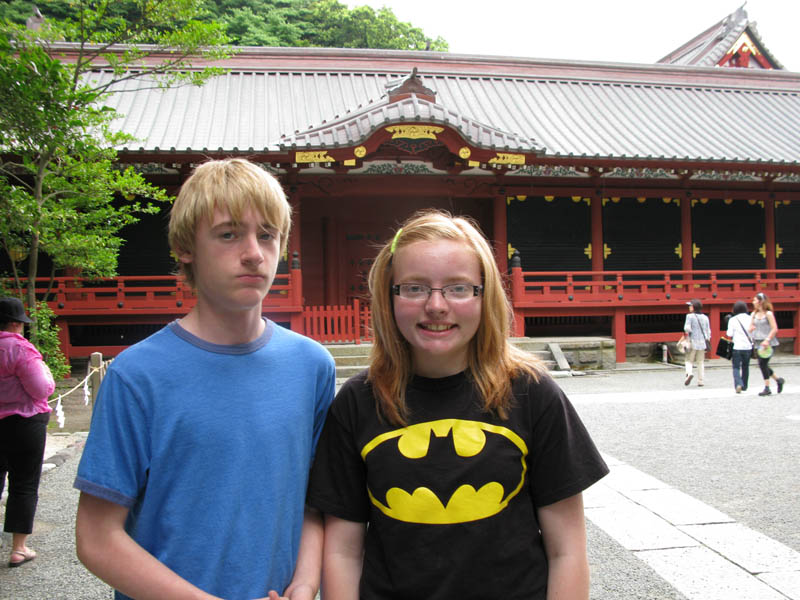
Tsurugaoka Hachiman-gu Shrine



Notes:
Minamoto no Yoritomo, head of the Minamoto clan, became the first Shogun of Japan in 1192 after the defeat of the Taira clan. Yoritomo set up the feudal system known as
the Shogunate, which was to dominate Japan until 1867. Under the Shogunate (or bakufu), the minor nobility, the samurai class of warriors (similar to European
knights), assumed real political power, relegating the Emperor & the rest of his court of aristocrats to ceremonial figurehead status. While the nominal capital of Japan
was Kyoto, Minamoto established his capital at Kamakura, transforming the city into an unofficial, second capital.
Hachiman is the kami protector & patron of warriors (samurai), writing & learning, & agriculture. The symbolic animal & messenger of Hachiman is the dove.
About one-fourth of the approximately 100,000 Shinto shrines in Japan are dedicated to Hachiman, making Hachiman second only to Inari. Tsurugaoka Hachiman-gu Shrine is
considered one of the four most important shrines to Hachiman in all of Japan.
Hakone, Kanagawa, Japan
Hakone Checkpoint


Notes:
Under the Tokugawa Shogunate, Hakone served as a checkpoint at which travellers along the road from Kyoto to Edo (modern-day Tokyo) had their permits checked & baggage
searched. Hakone was a strategic location for this checkpoint as it marks the edge of the Kanto Plain, the major coastal lowland containing Tokyo, Yokohama, & Chiba.
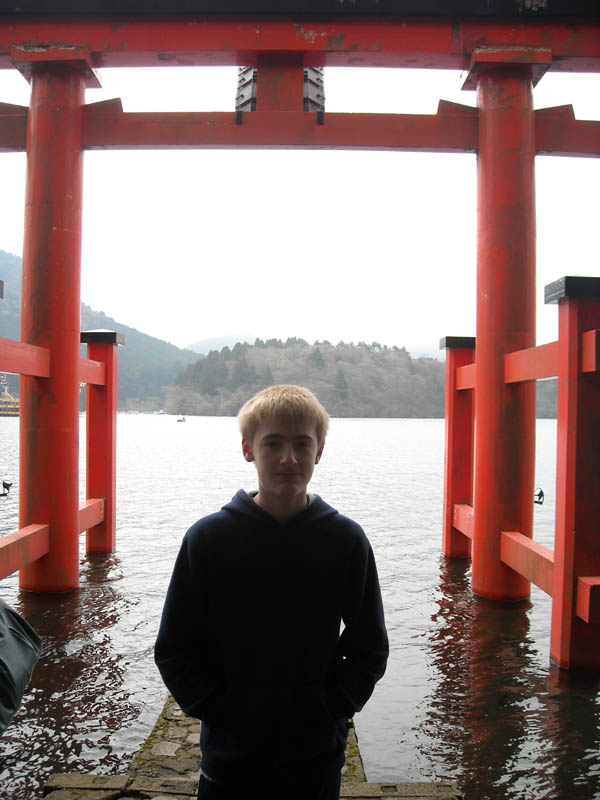
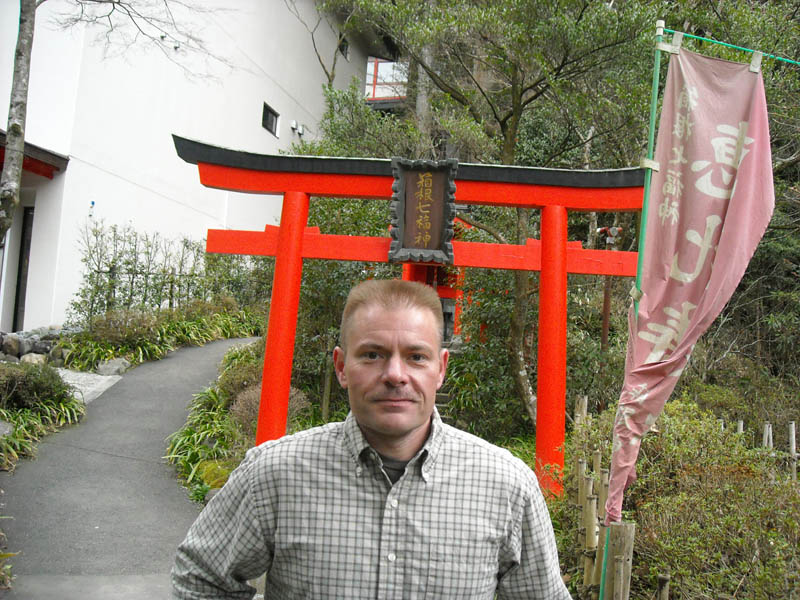
Hakone Shrine




Notes:
Nikko, Tochigi, Japan
Nikko Tosho-gu Shrine


Notes:
The urn in the two photos on the right contains the mortal remains of Shogun Tokugawa Ieyasu, the first Shogun of the Edo period. The Tokugawa Shogunate ruled Japan
from 1600 until the Meiji Restoration in 1867, which dissolved the Shogunate & broke the power of the daimyo & samurai, returning political & military power to the
Emperor. Ieyasu himself is famous for closing Japan to foreigners (gai-jin), banning Christianity, & moving the capital from Kyoto to Edo (Tokyo). 15 Shogun
of the Tokugawa line, including Ieyasu, ruled Japan for 267 years.


Notes:
Images of Japan Page I—General Thoughts, Camp Zama, Yokohama, Odawara, & Okinawa
Images of Japan Page III—Kyoto
Images of Japan Page IV—Nara
Images of Japan Page V—Tokyo & Mt Fuji
Home