Images of Japan III (2010-2012)
Japan


Kyoto, Japan
Sanju Sangen-do Temple


Notes:
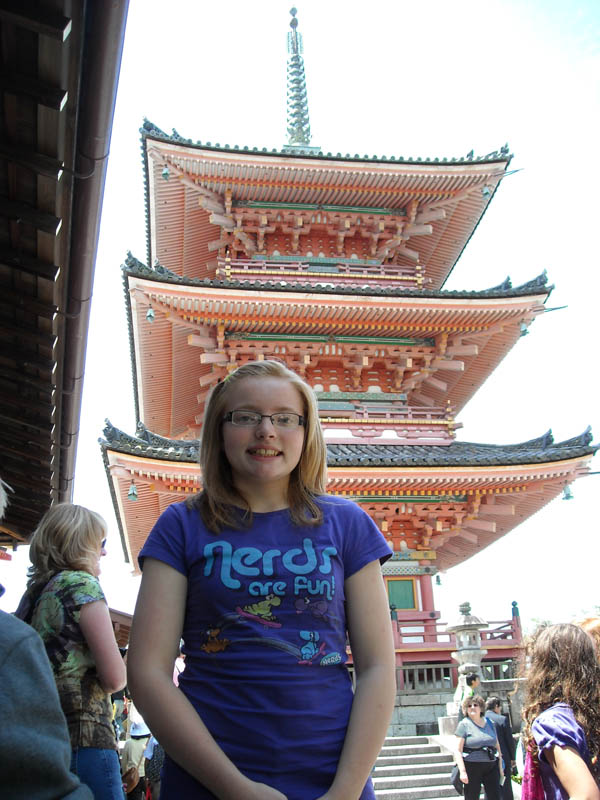
Kiyomizu Temple



Notes:
Hokan-ji Temple (Yasaka-no-To Pagoda)


Ryozen Kannon Temple


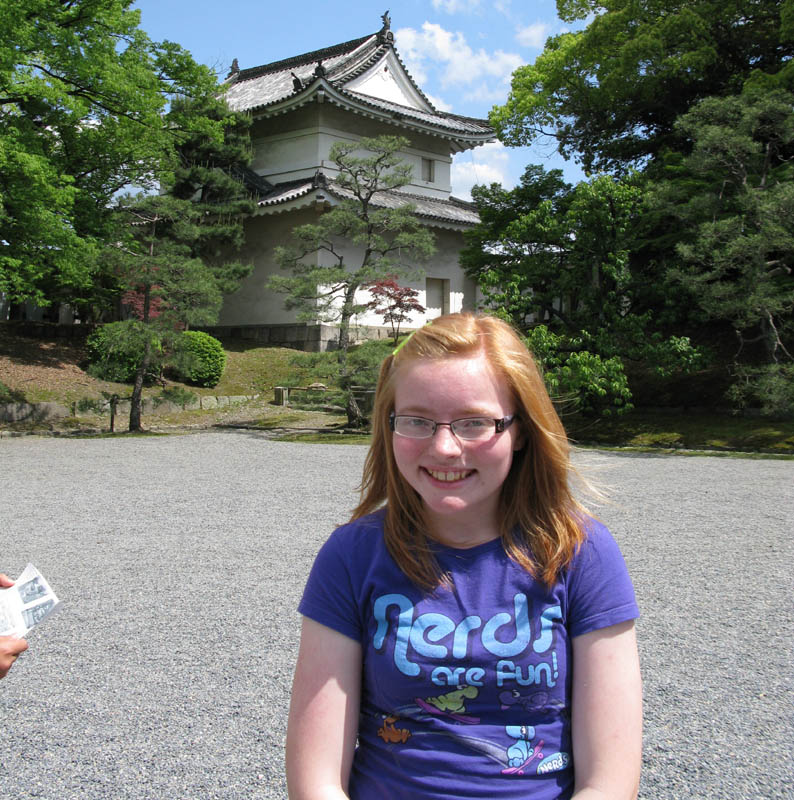
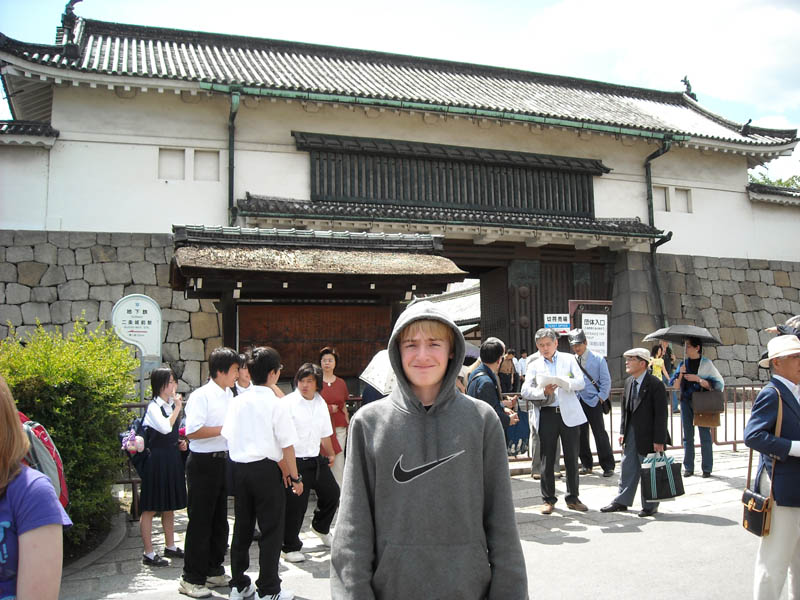
Nijo Castle




Notes:
Nijo Castle served as the Kyoto residence of the Tokugawa Shogun. Nijo began construction in 1603 under Tokugawa Ieyasu & was completed under Ieyasu’s grandson
Iemitsu in 1626. Although the main residence of the Tokugawa Shogun was Edo Castle (today, the Tokyo Imperial Palace) in the capital, as Kyoto remained the home of the figurehead Imperial Court, the Shogun still spent some time there.
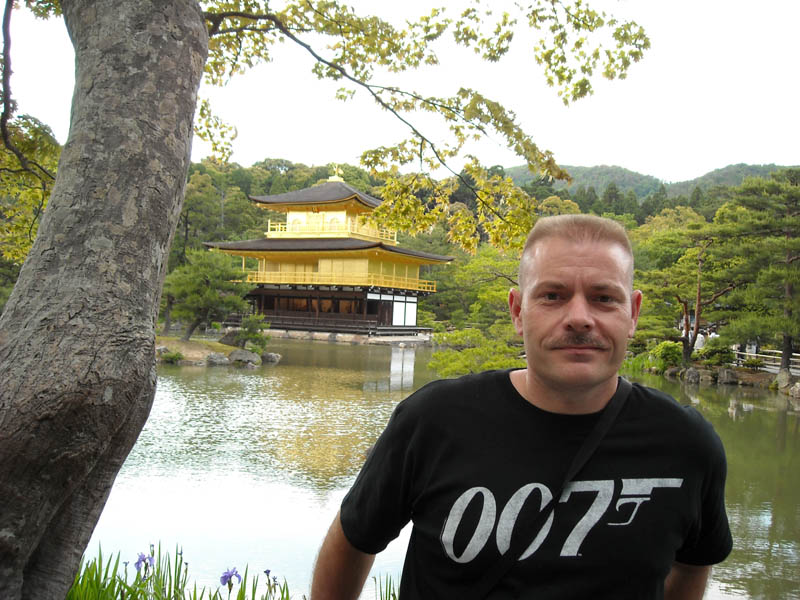
Kinkaku-ji Temple (Golden Pavilion)



Fushimi Inari Taisha


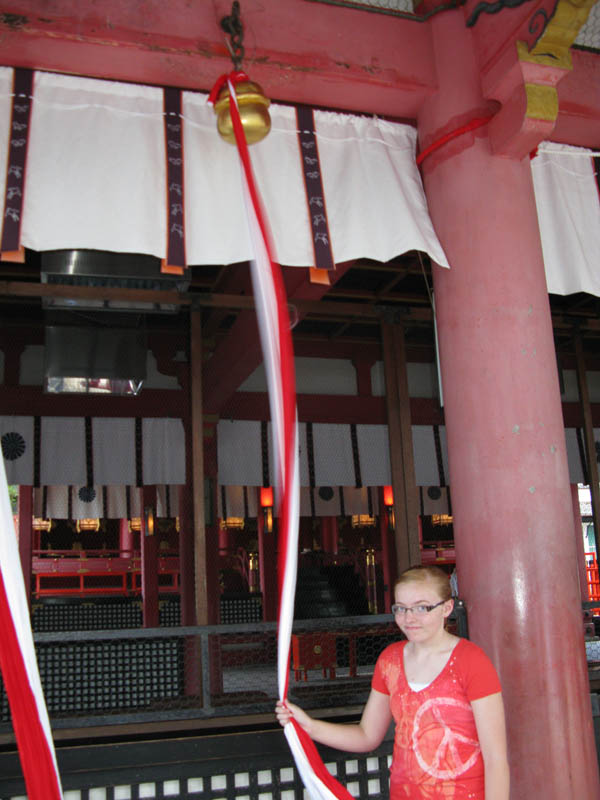


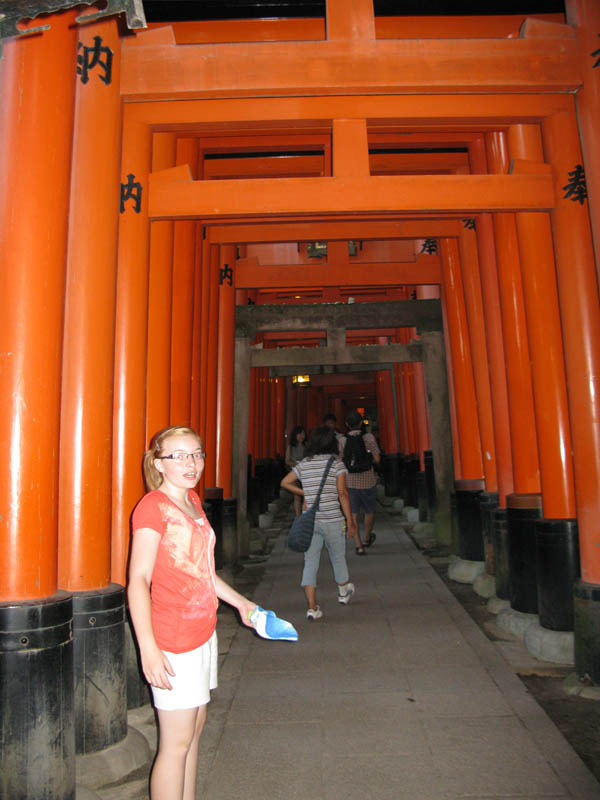

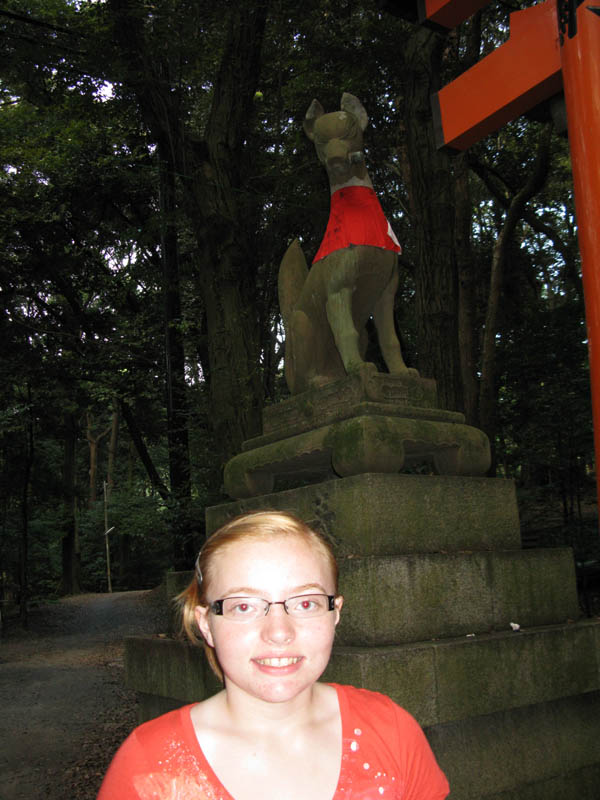


Notes:
Inari is the kami of fertility, rice, agriculture, foxes, & industry. About one-third of the approximately 100,000 Shinto shrines in Japan are dedicated to Inari,
making him (or her) the most popular object of worship in Shinto. White foxes (or kitsune) are both the messengers of & symbol for Inari. The Fushimi Inari Taisha
is the principal Inari shrine in all Japan.
Notes:
Kyoto became the capital of Japan in 794 & remained so until Shogun Tokugawa Ieyasu moved the capital to Edo in 1603. Originally named Heian-kyo, Kyoto
means “capital city” in Nihongo. (Tokyo means “eastern capital.”) Kyoto is currently the seventh-largest city in Japan.
Images of Japan Page I—General Thoughts, Camp Zama, Yokohama, Odawara, & Okinawa
Images of Japan Page II—Kamakura, Hakone, & Nikko
Images of Japan Page IV—Nara
Images of Japan Page V—Tokyo & Mt Fuji
Home