Images of Japan V (2010-2012)
Japan


Tokyo, Japan
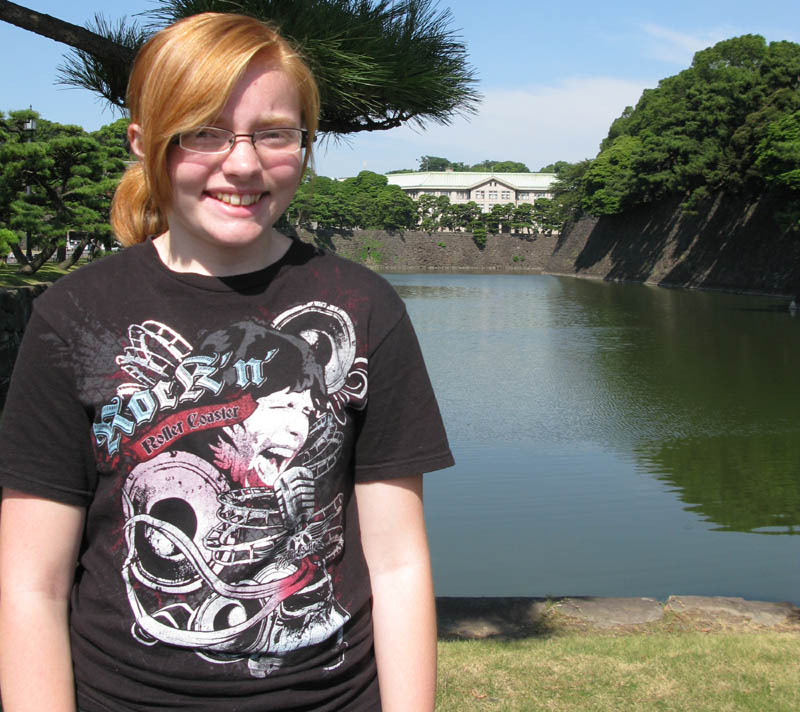
Tokyo Imperial Palace (Kokyo—formerly Edo Castle)



Notes:
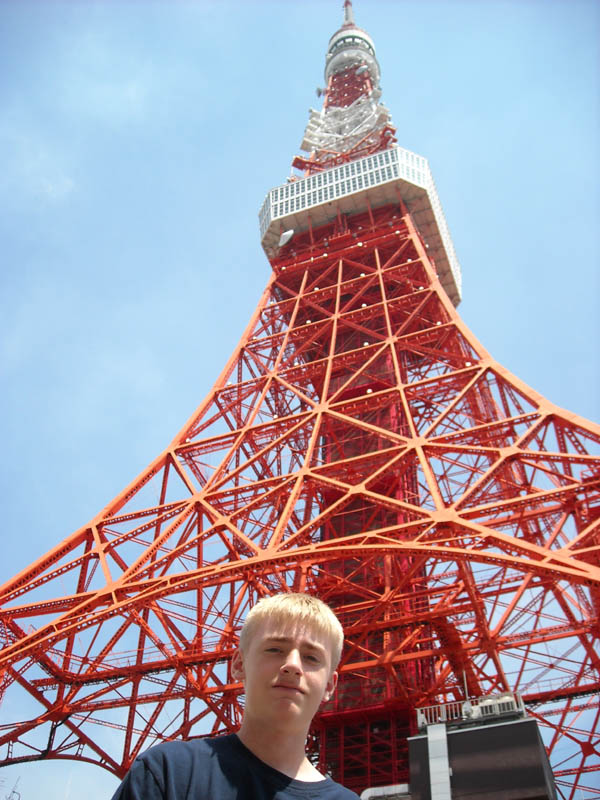
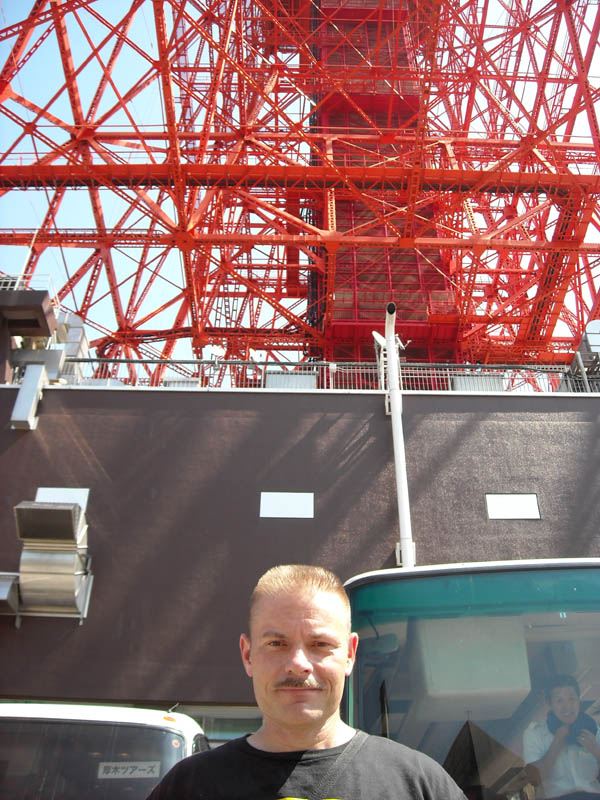
Tokyo Tower



Notes:
Built in 1958, Tokyo Tower at 1,091 feet was the tallest structure in Japan until 2010. Modeled after the Eiffel Tower, Tokyo Tower exceeds its predecessor by 29 feet.
Senso-ji Temple (Kaminarimon gate, Hozomon gate, & Asakusa Shrine)


Notes:
Tokyo is the largest city in Japan & the Tokyo Metro Area is the largest such area (by population) in the world. Tokyo was known as Edo until the Emperor moved there in
1868.
Mt Fuji


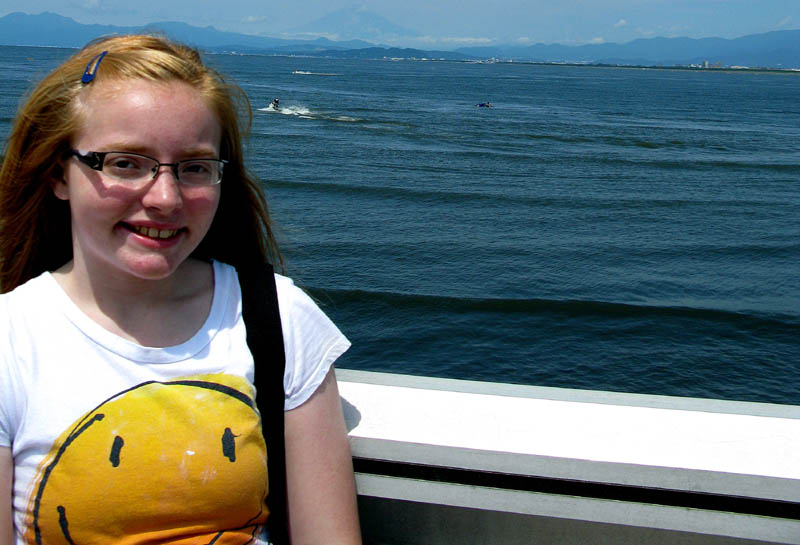

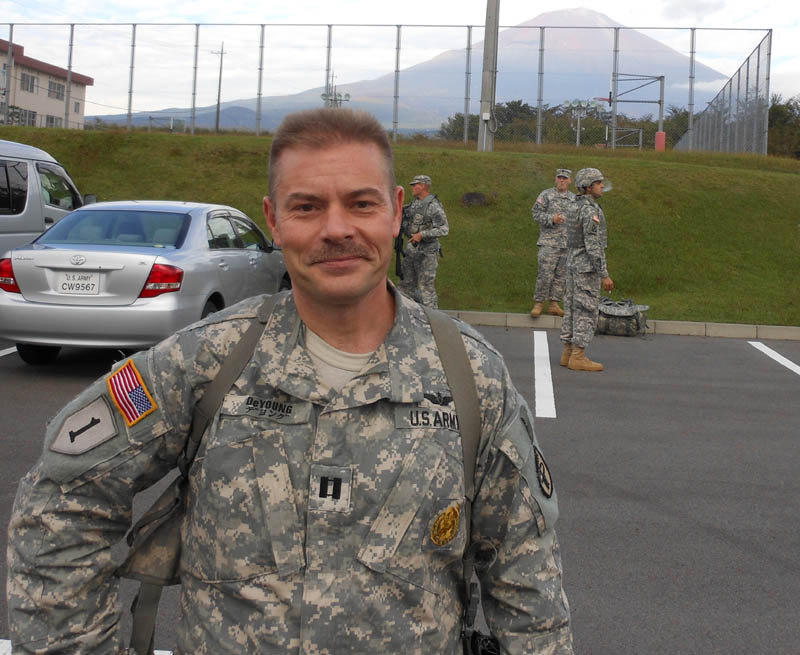
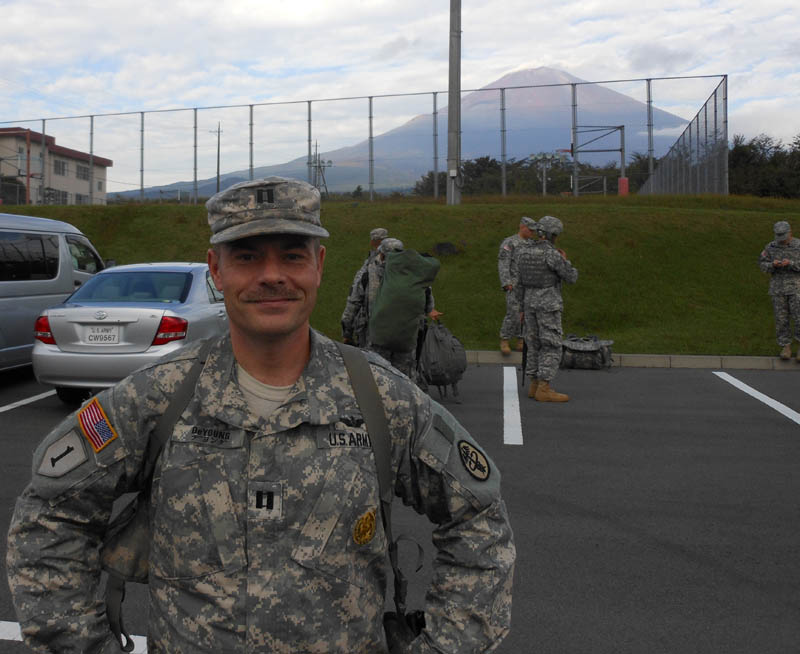
Yamanashi, Japan (Kawaguchiko route, fifth station)


Notes:
Fifth Station Shrine


Notes:
Sengen Shrine (Fujinomiya, Shizuoka, Japan)


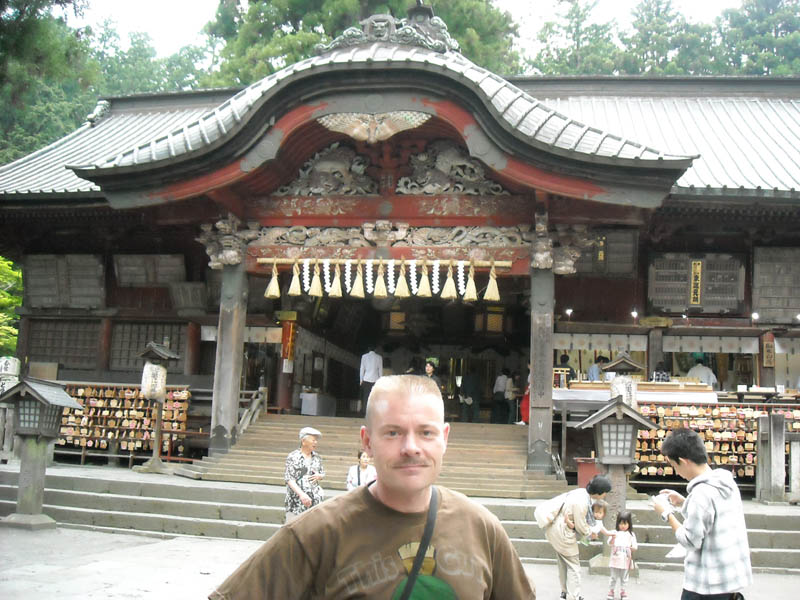

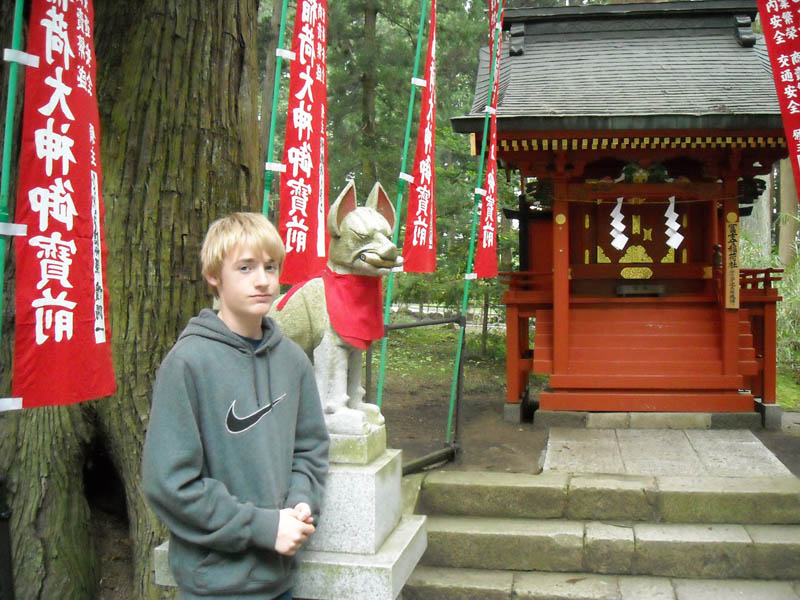

Notes:
Matsumoto Castle


Notes:
Located in Matsumoto, Nagano Prefecture, this castle is unusual for its black exterior & for not being built atop a hill.
Hiroshima & Itsukushima Shrine (Miyajima Island)


Notes:
Hiroshima, the capital city of Hiroshima Prefecture, located near the southern tip of Honshu & a
key military target of the United States during World War II, was the first city ever to undergo
nuclear devastation by means of an atomic bomb dropped on it (and only the second site of an artificial
atomic explosion in human history). Boeing B-29 Superfortress bomber Enola Gay (a part of the
seven-aircraft flight group called Special Mission 13) dropped the uranium-235 fission bomb Little Boy
at 8:15 AM on 06 AUG 1945. The partially destroyed dome-topped building is the Hiroshima Peace Memorial
(Genbaku in Japanese, also called the A-Bomb Dome), a part of Hiroshima Peace Memorial Park. Little Boy,
which weighed five tons (only 140 pounds of it U-235) but delivered a yield of 13-16 kilotons of TNT,
detonated 2,000 feet nearly directly above the building, which was formerly known as the Hiroshima
Prefectural Industrial Promotion Hall. Official estimates hold that 70,000 (30% of Hiroshima’s
population, which included 90% of the city’s medical professionals) died in the initial blast &
fire of the detonation. Further estimates maintain that another 30,000+ died by DEC 1945 due to injury
from the blast & fire, as well as damage caused by neutron & gamma radiation exposure. An additional
100,000+ are believed to have died between 1945 & 1950 due to long-term effects of radiation exposure.
The atomic bombing of Nagasaki three days later produced fewer casualties despite Nagasaki having
an approximately equal population to Hiroshima & despite the weapon used, Fat Man—a plutonium
bomb—being of slightly higher yield than Little Boy, because Nagasaki is spread through valleys;
thus the blast was less efficiently directed & blocked by intervening terrain.


Notes:
Hiroshima Castle, built around 1599 & constructed primarily of wood, was destroyed by
the nuclear blast of 1945 & was reconstructed in 1958.


Notes:
A famous Shinto shrine dedicated to the three daughters of Susano-o no Mikoto,
deity of seas and storms & brother of the great sun goddess Amaterasu.
Images of Japan Page I—General Thoughts, Camp Zama, Yokohama, Odawara, & Okinawa
Images of Japan Page II—Kamakura, Hakone, & Nikko
Images of Japan Page III—Kyoto
Images of Japan Page IV—Nara
Home